The Woman of the Weeping Wilderness

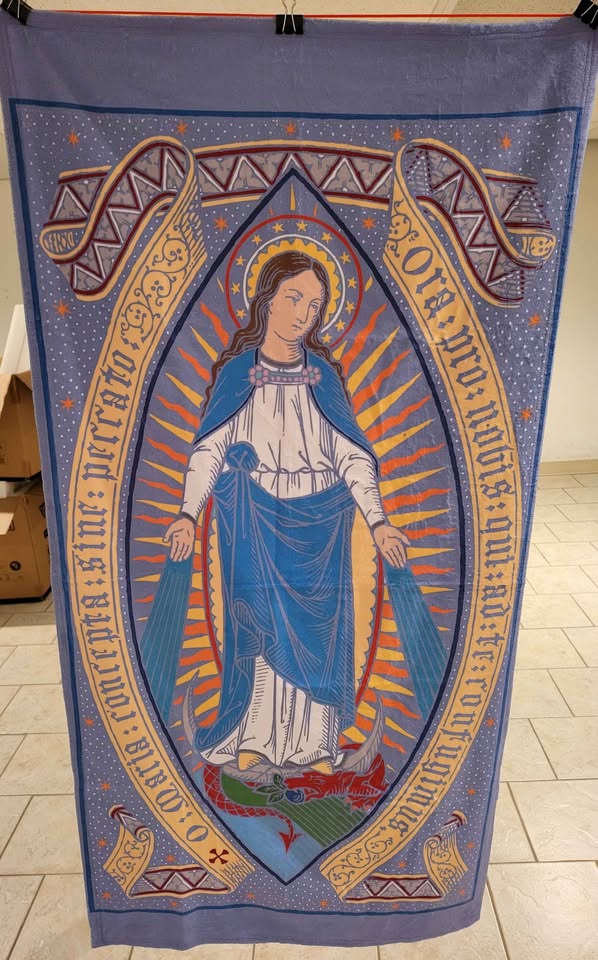
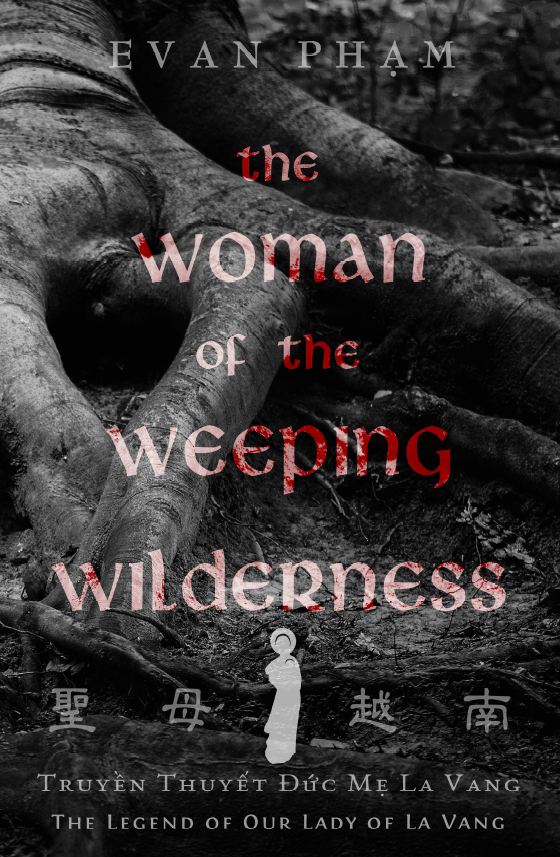
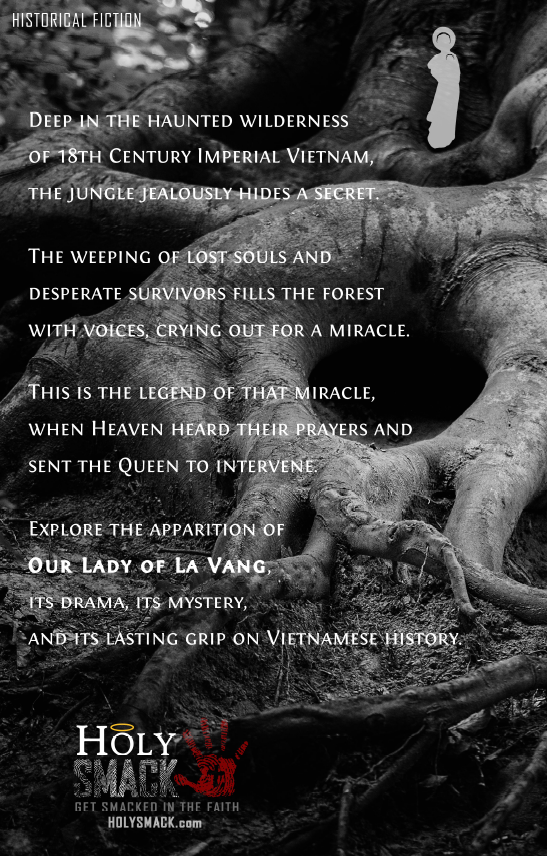
Blessed [belated] Feast of Our Lady of Sorrows! In honor of our Blessed Mother’s sorrowful sacrifice (and slam-dunk victory), I wanted to time the release of this novel for September 15th (slight delay due to logistics). May I present – The Woman of the Weeping Wilderness: The Legend of Our Lady of La Vang (available on Amazon.com here, or contact me for signed copies [while supplies last] at evanpham@holysmack.com).

I started this project about last year, Fall of 2024, after realizing that many of my Vietnamese-American peers, and Vietnamese people in general, don’t know the story of Our Lady’s 1798 apparition in our motherland, during the beginning of anti-Catholic persecution by the Vietnamese imperial government. After some reflection and research, I realized that there wasn’t even much of a surviving story of her apparition. Many remaining accounts are brief, have no narrative force, sparse with details, and are disjointed. Without a concrete context, developed characters, and plotline, it became a negligible anecdote in Vietnamese Catholicism, and that frustrated me.

So, I took the matter into my own hands, pulling the few facts, details, and cultural elements together, dramatizing and imagining plausible scenarios and miracles based on my own experiences with Our Lady and our Faith.

I began writing on May 11, 2025, and was stunned when I hit the final keystroke on June 21, only 41 days later. It was the fastest large-work I had ever written. I spent the rest of summer juggling between revising and pilgrimages, leisurely travel, another writing project, graduation parties, and outdoor adventures. By the time September neared, I knew the Legend was ready for more eyes (thank you all who read the novelette in advance and shared the needed feedback!).

Now, before more wasted words, may I present my best attempt to immortalize and perpetuate Our Lady of La Vang: The Woman of the Weeping Wilderness. By God’s grace, may my work glorify her Son and her love for Him and us.
And a loose translation (below) and recording of the Marian hymn featured in Chapter 21 (Mẹ Là Bóng Mát):

ĐK. Bóng mát (í i) che đầu, Mẹ là như bóng mát (í i) che đầu, Dưới nắng những ban trưa, trong mưa bao đêm sầu Mẹ vẫn che đầu. Khốn khó dắt con đi, gian nguy đưa con về Mẹ mãi chở che.
Chorus: Mother is like a shade comforting me. Under the [fiery] noon sun and the rain of sad nights, Mother comforts me under her mantle. Through trials, she leads me, through dangers, she brings me home, always protecting me.

1. Mẹ là như bóng mát, như làn hương thơm ngát như dòng suối êm đềm. Cho suốt cả đời conc luôn sống vui bình an sống vui bình an.
Verse 1: Mother is my shade, an aroma, a tranquil stream. For the rest of my life, I will live in joy and peace.

2. Mẹ là cây xanh thắm, che người đi trong nắng, mau về tới quê nhà. Cây lá tỏa ngàn hương con sống trong tình thương Sống trong tình thương.
Verse 2: Mother is a luscious tree, shading us from the hot sun as we rush home. The tree’s leaves fill all with a thousand fragrances, as I live in love, I live in love.

—And finally, an informal Vietnamese music playlist that helped me get into the writing zone, and reacquainted me with one of my languages. This also would be a great way to familiarize someone with how the Việt language properly sounds:

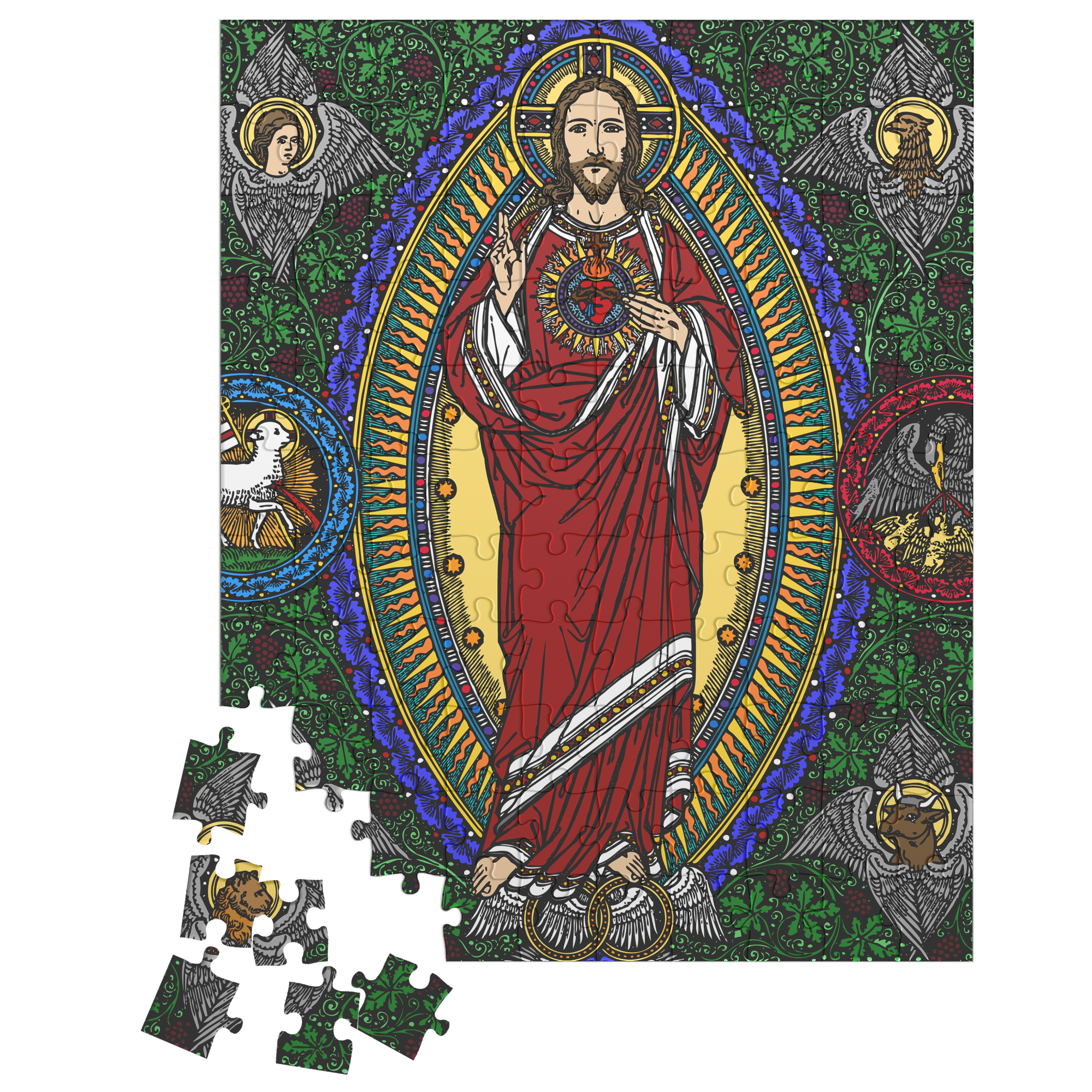
Welcome to my Shop

After years of encouragement, I’ve finally decided to launch a small Ebay shop selling my product ideas. Hope you find something you like, and thank you for your support and for spreading the word (and The Word)! May our Lord bless you.

Note: all purchases will include free HolySmack Holy Cards (while supplies last).

Special thanks to all my students and their families, and my friends, who have never stopped reminding me to start this endeavor.

NOTE: if you know me personally, please feel free to contact me and I can help get you some perks with your order! Or Venmo me @holysmacks and we’ll go from there with your order.

Some items for your consideration (more to come):

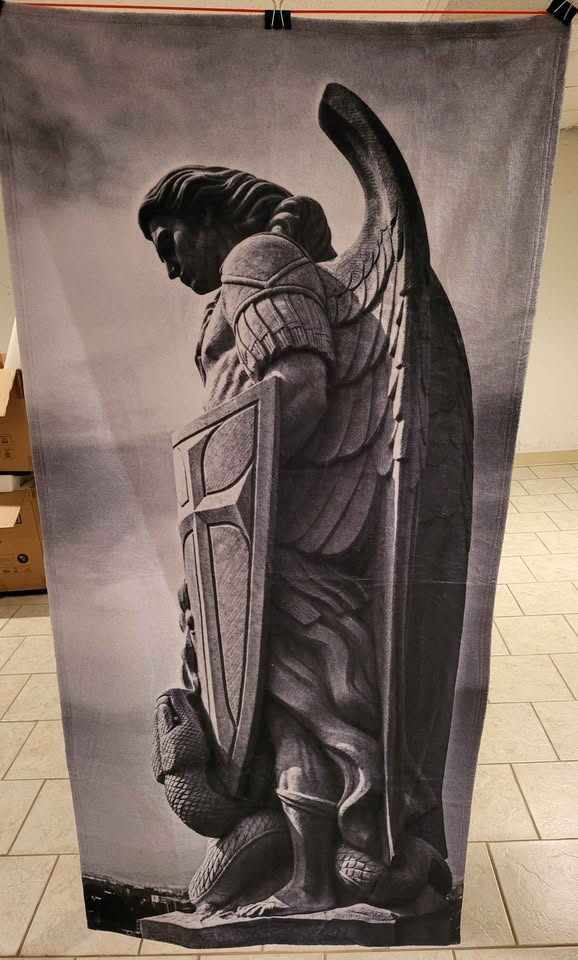
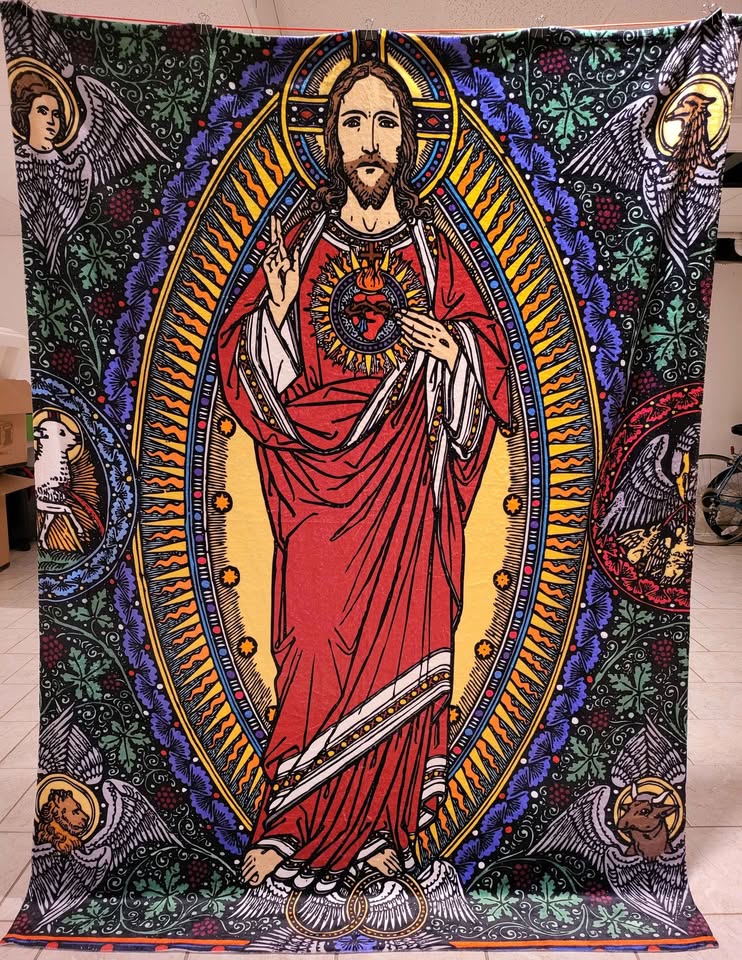
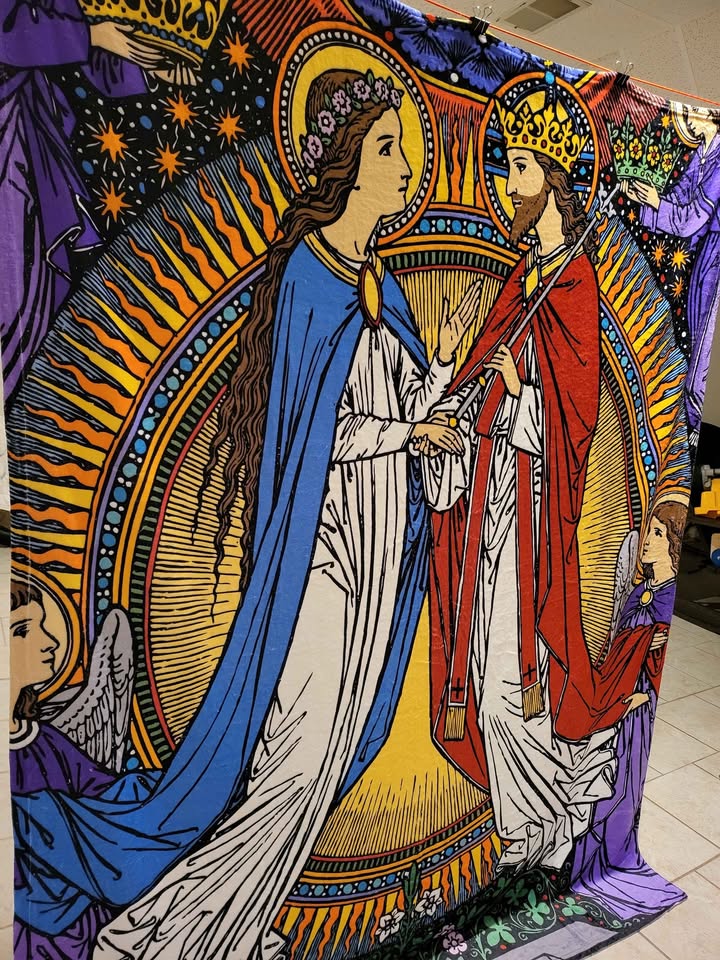
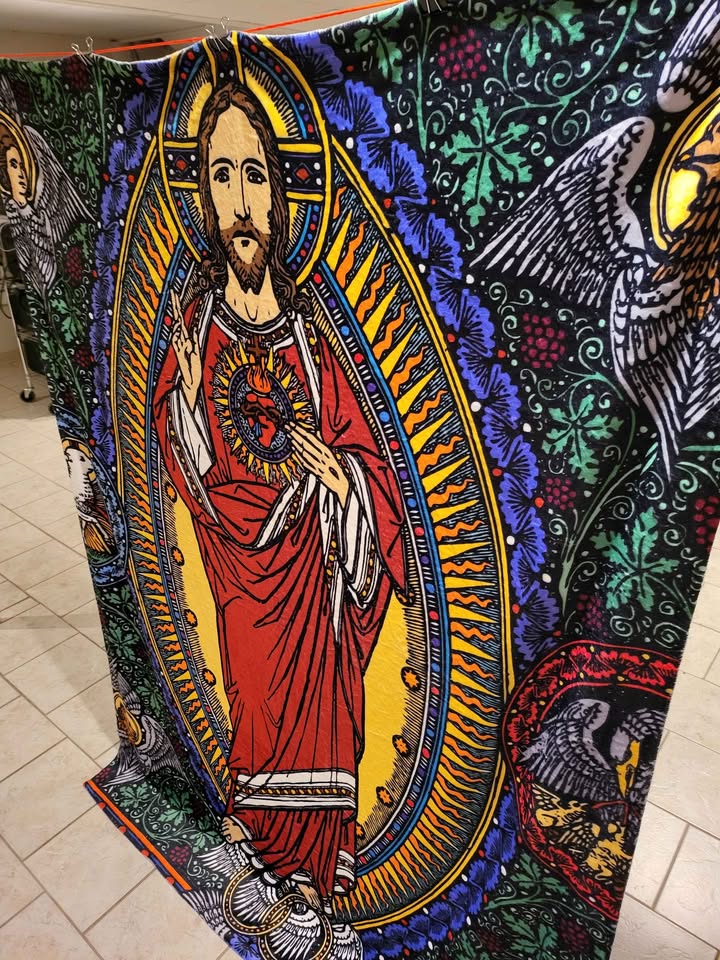
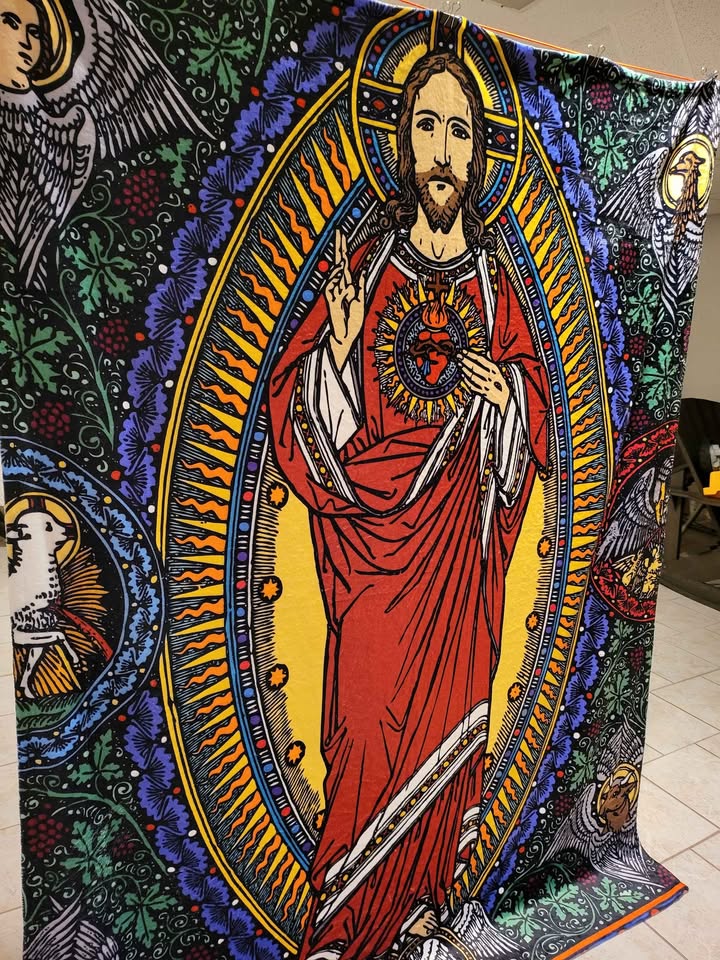
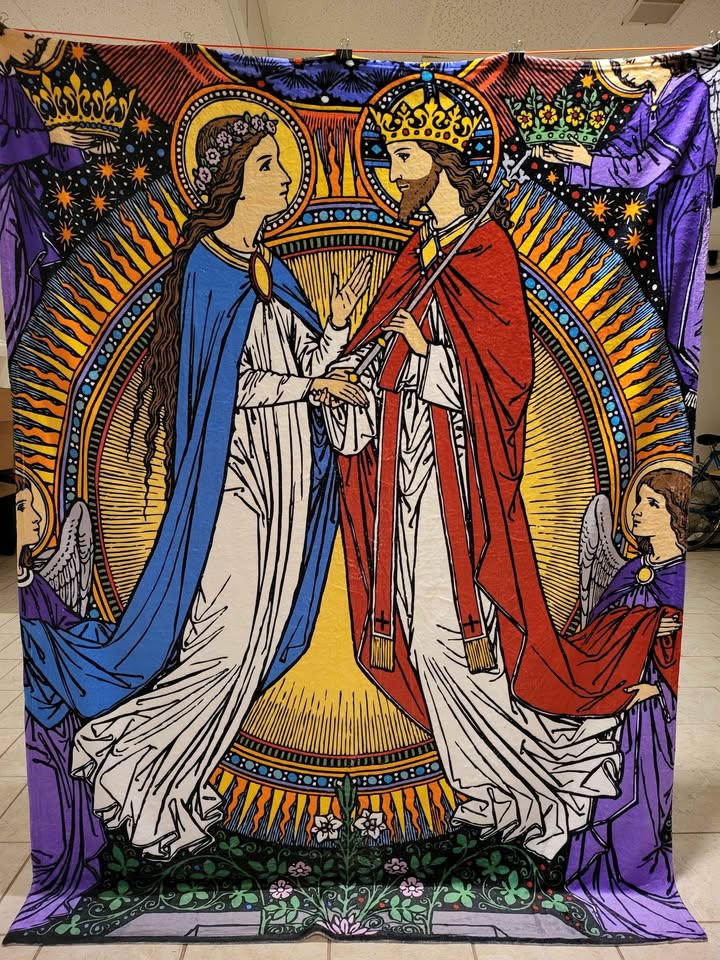
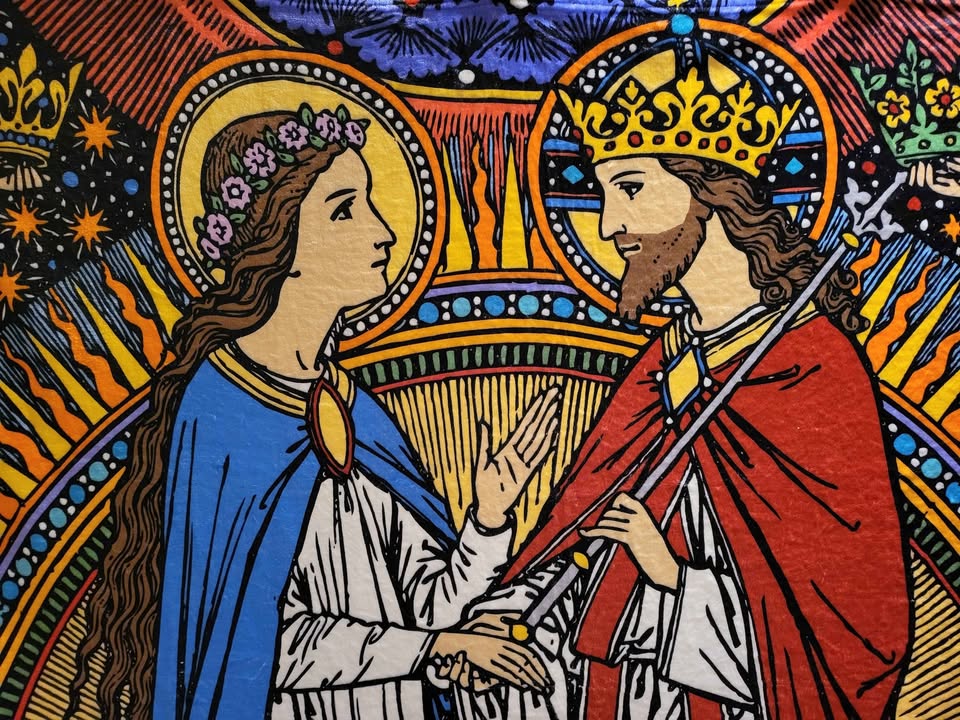
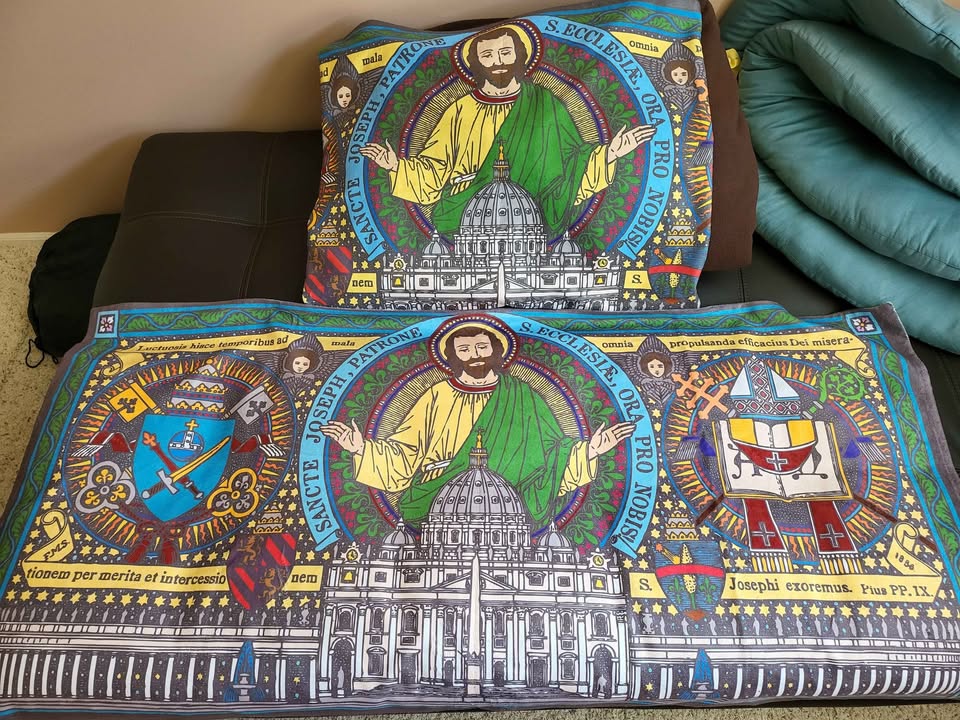
  • Fleece Blankets of Jesus’ Sacred Heart, or Mary’s Coronation, 60x80in
  • Puzzles of Jesus’ Sacred Heart, or Mary’s Coronation, 110pc or 1014pc
  • Steel Signs of the Names of Jesus or Mary in Traditional Chinese Characters, 4x12in in black, copper, red, white, or silver
  • St. Benedict Medal Steel Sign, 12in diameter in black, bronze, red, white, or silver

Nope! God Does Not Pick the Pope

As the Church gears up for another papal conclave (for at least the 267th time in the past 2000 years), just a quick public service announcement: the Holy Ghost does NOT pick the pope.

In my years teaching, countless students have been under the wrong impression that the cardinals in conclave are filled with the Holy Ghost, and that they cannot but help elect a God-ordained pope. I have no idea where this false belief originates, but it is untrue. We know this is a lie at worst, and a misunderstanding at best, because Jesus Himself warns that false shepherds and teachers will arise (Mt 7:15), and not because of His will, but the wayward wills of imperfect leaders.

Cardinals, all Christians, all humans for that matter, have free will to follow God’s guidance, or their own sinful whims. The conclave is no different: the cardinals have all the graces to choose accordingly with God’s will, or not. The storied record of erroneous and evil popes in the Church clearly shows the Holy Ghost is not always obeyed by the cardinal electors, and not always obeyed by the pope (to their great danger and our great harm).

Now with that said, let’s pray for Francis’ soul, and for the cardinals headed into conclave (on May 7, 2025) to elect Francis’ successor. The Church and the world needs the future pope to be virtuous, powerful, and faithful to Christ. Some helpful prayers to use:

Cardinal Raymond Leo Burke’s (click link for different language versions, including Latin)

I kneel before you, O Virgin Mother of God, Our Lady of Guadalupe, the compassionate mother of all who love you, cry to you, seek you, and trust in you. I plead for the Church at a time of great trial and danger for her. As you came to the rescue of the Church at Tepeyac in 1531, please intercede for the Sacred College of Cardinals gathered in Rome to elect the Successor of Saint Peter, Vicar of Christ, Shepherd of the Universal Church.

At this tumultuous time for the Church and for the world, plead with your Divine Son that the Cardinals of the Holy Roman Church, His Mystical Body, will humbly obey the promptings of the Holy Spirit. Through your intercession, may they choose the most worthy man to be Christ’s Vicar on earth. With you, I place all my trust in Him Who alone is our help and salvation. Amen.

Heart of Jesus, salvation of those who trust in Thee, have mercy upon us!

Our Lady of Guadalupe, Virgin Mother of God and Mother of Divine Grace, pray for us!

Bishop Athanasius Schneider’s:

Prayer for Imploring Holy Popes 

Kyrie Eleison! Christe Eleison! Kyrie Eleison! Lord Jesus Christ, You are the Good Shepherd! With your almighty hand you guide Your pilgrim Church through the storms of each age.

Adorn the Holy See with holy popes who neither fear the powerful of this world nor compromise with the spirit of the age, but preserve, strengthen, and defend the Catholic Faith unto the shedding of their blood, and observe, protect, and hand on the venerable liturgy of the Roman Church.

O Lord, return to us through holy popes who, inflamed with the zeal of the Apostles, proclaim to the whole world: “Salvation is found in no other than in Jesus Christ. For there is no other name under heaven given to men by which they should be saved” (see Acts 4:10-12).

Through an era of holy popes, may the Holy See — which is home to all who promote the Catholic and Apostolic Faith —  always shine as the cathedra of truth for the whole world. Hear us, O Lord, and through the intercession of the Immaculate Heart of Mary, Mother of the Church, grant us holy popes, grant us many holy popes! Have mercy on us and hear us! Amen.

A Quiet Place with Jesus

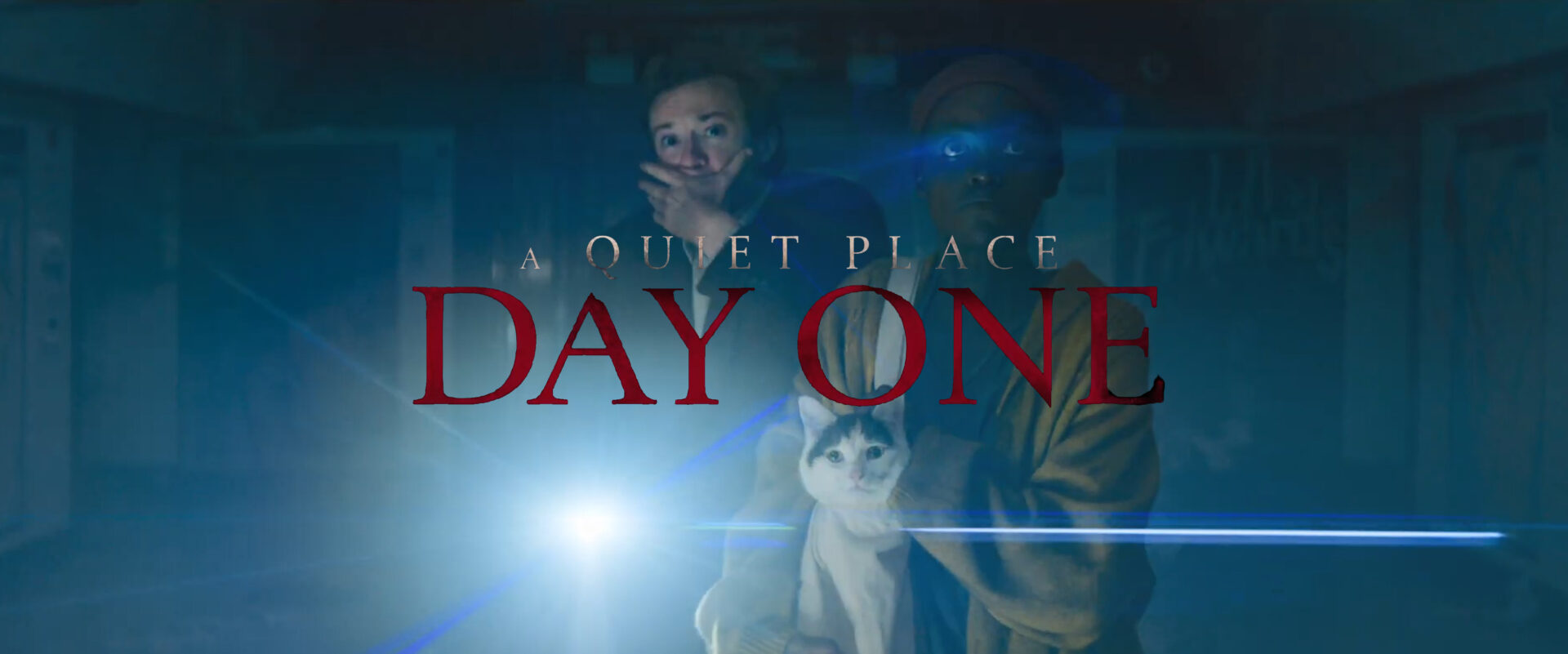
After the Olympic-sized blasphemy against our Lord last week, it was a gift to see (finally) A Quiet Place: Day One throw respectful shoutouts to Him. How so? Well, here’s your spoiler alert.


  1. When Samira and Eric descend into the waterlogged NYC tunnels to escape the alien infestation, they find themselves submerged into silence. A death-angel (what the lore calls the aliens, hearkening the angel of death from Exodus?) pursues them into the depths, struggles to swim, and then drowns — leaving Samira and Eric free to emerge and escape their near-death-experience. This pairs extremely well with Israel’s escape through the Red Sea: the Egyptian hordes pursue the Hebrews, and then drown en route, leaving Israel free to rise from “death” and slavery to Pharoah. Traditionally, this scene of Exodus is typology for Baptism: the unbaptized person descends into water, pursued by sin and Satan, and then ascends but leaves behind the former life of sin and Satanic enslavement. In Baptism, Christ’s waters and words drown our past and bring us to new life in Him.
  2. And where do we see Samira and Eric emerge after their “baptism”? Is it a NYC landmark? Is it a commercialized product placement for McDonald’s or Starbucks? It is an Eastern Orthodox (or possibly Byzantine Catholic) Church, complete with iconostasis, candles, chandeliers, refugees, pews, and priest at the pulpit. The pair rises from the waters, narrowly escapes death by fallen angel (from space) and drowning, and enters the Church.
  3. During their stay at the Church, they find safety and hope. At no time is there any sign of danger while the Church is featured: no despairing people crying out and alluring the death-angels, no accidental commotion, nothing that we see elsewhere in the film’s settings. We even see Eric rising to another level of self sacrifice for Samira, which I’ll let you discover yourself.
  4. [BONUS] Lastly, we see a powerful depiction of a father-daughter relationship that very often is not portrayed in Hollywood today. The remembered love of her dad calls Samira (who begins the story in despair and nihilism) to great courage, hope, sacrifice, and loyalty. When we see her memories of her time with Dad, drawn out by Eric’s company and questions, we see Samira grow and strengthen. All families must take note: build up that daddy-daughter time!

Uhhlympics

Ten years ago, I started writing this post. It was during the 2014 Olympics, and I came to a realization that I sat on and neglected to express, until now.

For most of my teen and young adult years, I was crazed about Olympic season: it was always on in the background, I tracked the medal tallies, I followed my favorite athletes (Yuna Kim was mine), I prayed for their success, I relished the opening and closing ceremonies, and I thought I would never miss an Olympic Games for the rest of my life.

Well, what began in 2014 is now fully fruited in 2024: I will watch the Olympics no more.

I realized a decade back how passe the Olympic accomplishments were: one moment the “world” (by which I mean people who had enough time to spend on spectating) cheers and roars with an athlete’s victory — the next moment it seeks a greater victor. The world soon forgets its champions, for the world cares not for its children, for the world is not a mother, nor is it a friend: “… friendship with the world is enmity with God” (St. James’ Epistle, Ch. 4).

It dawned on me how useless all the fanfare was. Sure, compete and strive! The human achievements reached by Olympian athletes are astounding, but almost everyone forgets just a few days later — definitely a few years later! There is always a faster, higher, stronger athlete. It’s like the news cycle: here one day and gone the next.

So that really helped me reprioritize what I should do every Olympic cycle: be super selective what contests I viewed, and how much I viewed. Life was more important than what the world told me to watch, and then itself forgot next month.

But now…

[Uhh… what is this… a drag queen Last Supper?]

Now that the Olympics mocks the glory of Jesus Christ at His Last Supper, now that the flimsy five Olympic rings forsake the Lord who crowns true victors and victresses (yes, traditional Latin-based English has a feminine for female champions, because women deserve their own vocabulary!), now that the Paris Olympics blasphemes and defiles the Holy Trinity who made and saved all humanity… now I MOCK, FORSAKE, BLASPHEME, and DEFILE the Olympics.

Not the athletes who are true and honest in their disciplines: they I do not spurn, but they do deserve a worthy place of respectful competition, not the pathetic joke the Olympics has become. They deserve better than the rampant fornication and adultery in the athletes’ dorms, the corrupt marketing and commercialization of the athletes by wicked corporations engaging in sweatshop slavery and complicit in China’s death camps, and the cesspool of sex-and-child-trafficking around the Olympic host cities. Not to mention: the bankruptcy that follows in the aftermath of the Olympics, where gluttonous host cities spend wastefully on a temporary celebration of temporary success; the political failure that allows sportwashing, where host nations ruled by murderous tyrants get to show off a facade of success to a gullible globe; and other pitiful goofs that only miseducated elitists can do, like repeatedly call South Korea by their genocidal northern neighbor’s name.

Anyway, what more need be said about the sad state of the Olympics’ administrators (idolaters)? Are they even about sports and athletics anymore? Or is it just a confusing mashup of pet woke causes at best, and demonic scheming at worst?

God will judge them and give them what they’re truly competing for: the deepest cesspit of hell. May they all repent and believe in His Gospel.

last-supper-olympics-thumbnail-2

Great commentary on this issue, by a Christian art expert and iconographer:

Pagan Motion Pictures

Familiarity breeds contempt, so they [accurately] say.

To avoid such contempt, we all must re-view what we’ve taken for granted (at least from time to time), and the greater the thing we take for granted–the greater we should “realize that it might be lost.”

While reading G.K. Chesterton’s Everlasting Man, I was reminded of certain films that are helpful in granting a glimpse of a world without the Catholic Church. Taking a cue from Frank Capra’s It’s a Wonderful Life, this trilogy of movies imagines cultures, societies, and worldviews void of Christianity, and the powerful consequence of such an absence. We all truly take the Church for granted, believer and unbeliever alike, and if someone needs that more clearly demonstrated, then have a movie marathon* with these titles (listed in order of world historical basis):

  1. Robert Egger’s The Northman (2022): This film depicts the lives of Vikings in a Europe before the Church. Perhaps in no other part of the world do so many yawn at the wonders the Church has done for their continent. Yet, before Europe’s conversion, it was a land of brutal paganism, superstition, violence, and darkness. Those who whine about the Church’s influence upon Europe can have a peek at what paganism was like in the land of the Vikings, and perhaps wake from their naive and idealized dream about pre-Christian society.
  1. Mel Gibson’s Apocalypto (2006): This film explores the Americas before Columbus, specifically regions of the Amazon. Countless cultural Christians, and atheists who enjoy the fruits of a Christian culture, have idyllic notions of a peaceful and free pre-Columbian America. False anthropologists and historians presume that the New World was a paradise, and that Catholic missionaries and the Church destroyed these perfect peoples. However, as archaeological research reveals, pre-Christian America hosted some indigenous nations, kingdoms, and empires that ran on unrestricted war, cannibalism, and ritual human sacrifice (all things Christianity has fought to end).
  1. Ari Aster’s Hereditary (2018): Lastly, all those naysayers about the Church can see how a post-Christian America looks. How would 2020s USA be without Christ? What would family life and childhood be like if every sign and symptom of Christianity was eliminated from the culture? Well, this film shows a family that finds an alternate religion, an ancient pagan cult that the Church had once suppressed, because even if one is rid of Christianity, people will still want to idolize something: pleasure, power, prestige, pesos. So give Hereditary your time if you think Christianity is no big deal anymore, and then remember that we are quickly approaching a nation without the Church.

*Notice: all these films have intensely disturbing content and are only for mature audiences. What should we expect, since they depict paganism at its logical conclusion?

Mano a Mononoke

There are times when details, images, words, and ideas align beyond mere coincidence. When story writers across disconnected cultures echo one another, one can only guess a few possibilities: God guided them, or there’s a common intuition within our human nature, or the cultures involved came into contact somehow.

In Princess Mononoke, a powerful connection shows itself in a beautiful way, where the Japanese tale hearkens the Jewish Song of Solomon (aka: Canticle of Canticles, or Song of Songs). Without spoiling too much of the film: a village prince named Ashitaka becomes the victim of a curse, and is thus banished from the only home he has known. Just before going into exile, his sister surprises him to say farewell (although bidding him goodbye was forbidden by village law). She gives him a crystal gem that had been carved into a dagger, that she had worn around her neck. He refuses the gift, but she insists, explaining it was to remind him never to forget her, never to forget the love of a sister for her brother. This gift then becomes Ashitaka’s dearest possession: the sole little bit of home that he will never be able to return to. Yet, this seemingly passing moment has massive ramifications…

Toward the end of the film, during the mounting moment crisis, Princess Mononoke (aka: San) is furious with Ashitaka and never wants to see him again. He decides to give to San the very gem necklace that was his sister’s, handing it off to a wolf to deliver to San before they separate and both run off into battles that may separate them forever.

That’s when it hit me… echoing the Song of Songs, Chapter Four:

9 You have ravished my heart, my sister, my bride,
    you have ravished my heart with a glance of your eyes,
    with one jewel of your necklace.
10 How sweet is your love, my sister, my bride!
    how much better is your love than wine,
    and the fragrance of your oils than any spice!
11 Your lips distill nectar, my bride;
    honey and milk are under your tongue;
    the scent of your garments is like the scent of Lebanon.
12 A garden locked is my sister, my bride,
    a garden locked, a fountain sealed.

And there lie the “coincidences” between the verses and the film : necklace, jewel and crystal gem; sister and bride; garden, fountain, and pool; fragrance and forest, and glance of your eyes… when Ashitaka had first seen San glaring at him from the tip of the sword in her hand, and he called her beautiful. That moment had disarmed her, stunned her silent, her violence and rage dissipated, and her behavior markedly changed from that time forward in the film. As if the long-awaited recognition of her beauty by a sincere heart made her human. No longer was she an offspring of her wolf caretakers, but she became a woman, at exactly when a man saw her and loved her as he would love his sister: with purity, honesty, and dignity.

Ashitaka extended to San the love he has for his sister, a genuine and devoted love with good intentions. He sees in San what he remembers of his sister, and San is the living memory of her. San is someone Ashitaka knows his sister would not mind receiving the gift of her crystal gem. And the fact that the gem is a blade shows that the beauty of San has cut into his heart, cut where he had worn the necklace for love of his sister. She has ravished him.

And that’s the shockingly aligned images I saw within Princess Mononoke and the Song of Songs. Don’t tell me it’s just luck.

(Enjoy this favorite cover of Princess Mononoke’s track: Journey to the West)

P.S. This Ashitaka-gesture makes me hope there can be a tradition, where a girl gives something small yet precious to her brother, for him to safeguard and keep for love of her, and then to discover a woman to whom he can offer this precious gift to as his bride. I think this would go a long way to help boys become good husbands and seek good wives.

Lovers of Liturgy

Late have I loved Thee, O Beauty ever ancientever new, late have I loved Thee… 

So said Saint Augustine, referring to our Lord. Yet, similar may be said of the things which reveal Him to us: the endless ability of His dawns and dusks to awe, the overwhelming stars of night compelling our staring, the expansive sea drowning us in wonder, and the simply pure laughs of babies filling our ears with bliss.

So too with a Mass that inspires awe, stares, wonder, and joy. Can anyone imagine being star struck over the Novus Ordo Mass (NOM, est. 1969)? Do any faithful Catholics ever relish its shortened prayers, its suspicious origins, its banal fabrication by committee (as Cardinal Joseph Ratzinger said before his rise to the papacy), its mess of options, its bracketed readings of Scripture (for shortened form, omit the text in brackets), and even its deliberate redaction of key Catholic beliefs from the “new and improved” Lectionary?

But then here’s a trilogy of films, labored over by independent and artisan film makers, aided by dozens of well-known faithful Catholics, funded through crowd-sourced donors, all head-over-heels in love with the Traditional Latin Mass (TLM, est. too far back to know for sure). These faithful can’t stop telling others about this beauty they’ve found, like a young man who aches to tell the world how he found his beloved bride. To us, the TLM is worth the commitment, the money, the hundreds of miles on foot (see episode 3 for the reference), the pleas to popes, and the skirmishes with schismatic-ish Catholics who have forsaken their inheritance for cheap, modern, synthetic, mass-produced substitutes. What is merely trendy and timely will always whither for lack of roots. What is timeless, rooted deep in hearts and souls, will endure beyond the end. Timelessness > timeliness.

But enough from me. Watch for yourself what true lovers of liturgy have to say, and then find a TLM for yourself (before they’re canceled by fakeful preests, bishups, cardinulls, and poaps).

The Grinches Who Stole Christmas

Cross leads to Crown.
Three hours of suffering lead to everlasting glory.
Forty days of Lent lead to fifty days of Easter.
Four weeks of Advent lead to two weeks of Christmas.


Read that again.


It seems God set a pattern: joy and victory always outnumber sorrow and loss.


Except when it comes to Christmas…?
Except, that’s false.


On the New Liturgical Calendar of the Church, Advent outdoes Christmas, but not on the classical calendar. Traditionally, Christmas went forty days (ending on Feb. 2nd, the feast of Candlemas), far surpassing Advent’s 28 days.

So sometime in 1969 (Feb. 14th, to be exact), our Christmastide went from 40 days long, to only 14. The Church went from celebrating Baby Jesus’ Blessed Birthday for over a month, to now having an Advent that is twice the time of Christmas.
What reason did these Grinches who stole Christmas have for such a reduction? I have no idea.*

What, was there too much caroling? Or perhaps they found the Nativity scenes repetitive? How about the proliferation of pines indoors? What triggered these Scrooges, we’ll likely never know for certain, but what I do know is that none of their reasons justify adequately, and none of their reasons apply to those Catholics who still hold fast to Tradition.


So this Christmas, don’t get ripped off: celebrate Baby Jesus for 40 days.
Keep giving gifts.
Keep singing carols.
Keep the trees lit.
Keep the Christmas cheer.
Well into the new year.

Keep to Tradition.

*the 1969 Vatican document announcing the new calendar does not explain the shortening of Christmastide: https://www.vatican.va/content/paul-vi/en/motu_proprio/documents/hf_p-vi_motu-proprio_19690214_mysterii-paschalis.html

Injection Rejection

The purpose of this post is not to discuss any vaccine in particular, but to provide information to those who intend to reject a vaccination, and how the Catholic Church actually reaffirms such noncompliance. Being that a certain vaccine is very popular these days, and with many Catholic clergy encouraging and even attempting to impose vaccination, it’s a matter of clarity and charity to emphasize that “practical reason makes evident that vaccination is not, as a rule, a moral obligation and that, therefore, it must be voluntary”, despite what priests and pope may say.

Those who want to provide explanation for why they voluntarily reject the injection can find these items and documents helpful:

  1. The Roman Catholic Church’s Congregation for the Doctrine of the Faith reiterates the voluntary nature that vaccination must entail, among other reasons why a vaccine may be rejected in good faith (see here for a letter used successfully to exempt oneself at a Catholic university from vaccination, citing this Church document).
  2. The National Catholic Bioethics Center provides here a template for any Catholic’s pastor to sign on a parishioner’s behalf, explaining why their parishioner is exempting him or herself from vaccination. Different from the letter above, this letter also argues therapeutic proportionality, which is an assessment of whether the benefits of a medical intervention outweigh the undesirable side-effects and burdens in light of the integral good of the person, including spiritual, psychological, and bodily goods. The judgment of therapeutic proportionality must be made by the person who is the potential recipient of the intervention, not by public health authorities or by other individuals who might judge differently in their own situations.
  3. The Christ Medicus Foundation here explains further why vaccination mandates (and by extension, any imposed, compelled, or coerced invasive medical interventions) are immoral and violate human rights: Coercing or pressuring people to receive a COVID-19 vaccination as a condition to maintain employment, as a condition of travel, as a condition for obtaining an education, or for any reason whatsoever is a grave violation of the fundamental human, civil, and religious right to act according to one’s conscience in receiving or refusing medical interventions.
  4. The Colorado Catholic Bishops Conference provides this letter template also for wide use, echoing the points made above, but also reminding that the free-exercise clause of the U.S. Constitution’s First Amendment requires state accommodation of individuals who object to vaccinations on religious grounds.
  5. The Thomas More Society offers some excellent advice from a legal standpoint, to help defend your religious rights and beliefs, and also help take your fight to the courts if violations continue.
  6. The good Bishop Athanasius Schneider here offers a letter (signed by him, and affirmed by legal counsel) for use as an exemption declaration to whomever it may concern, or the letter serves as an ideal template for one to use in writing his/her own letter.
  7. If the above was too much for you to read (stop being lazy!), then a video interview:
  8. And a very well though-out and explanatory presentation:
  9. My former moral theology professor weighs in (see her article here):
  10. As more resources are proven useful, this post will be updated.

May Jesus, the Divine Doctor, heal us from the true diseases of sin, evil, and eternal death.

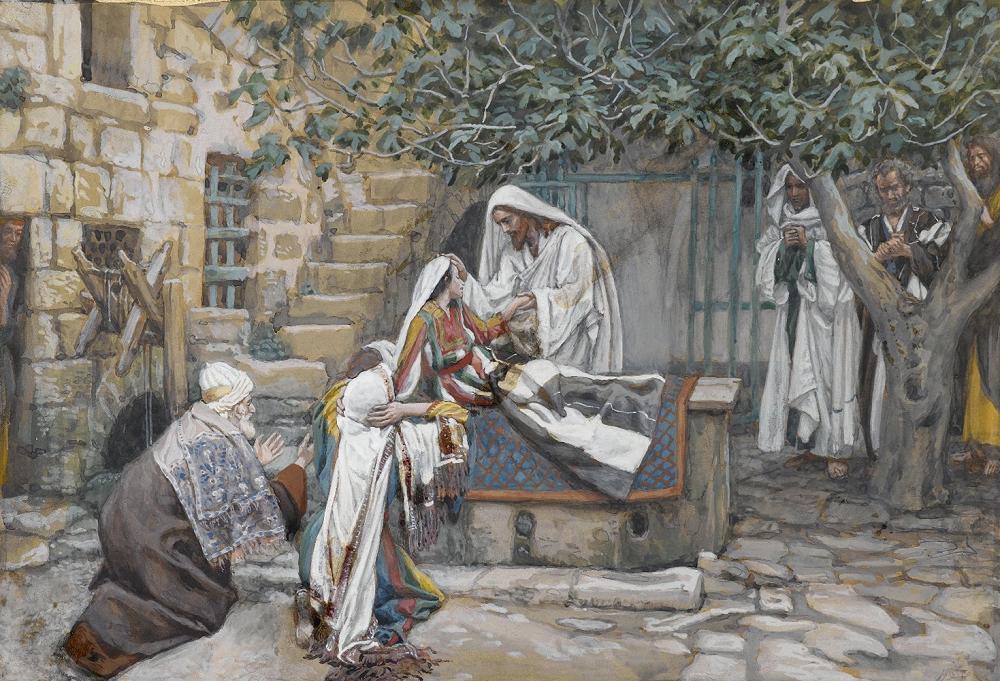
Mark 5: 21-43